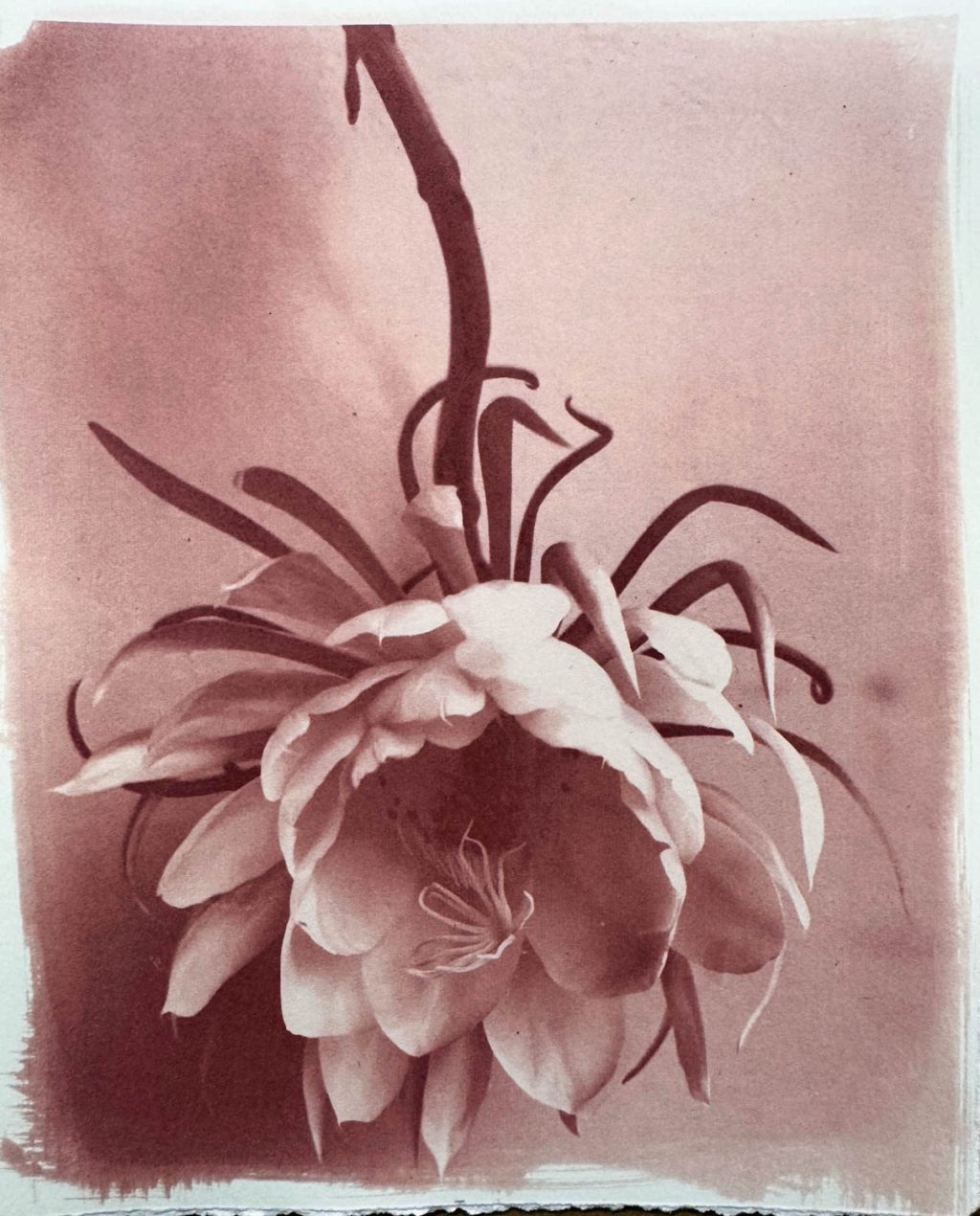
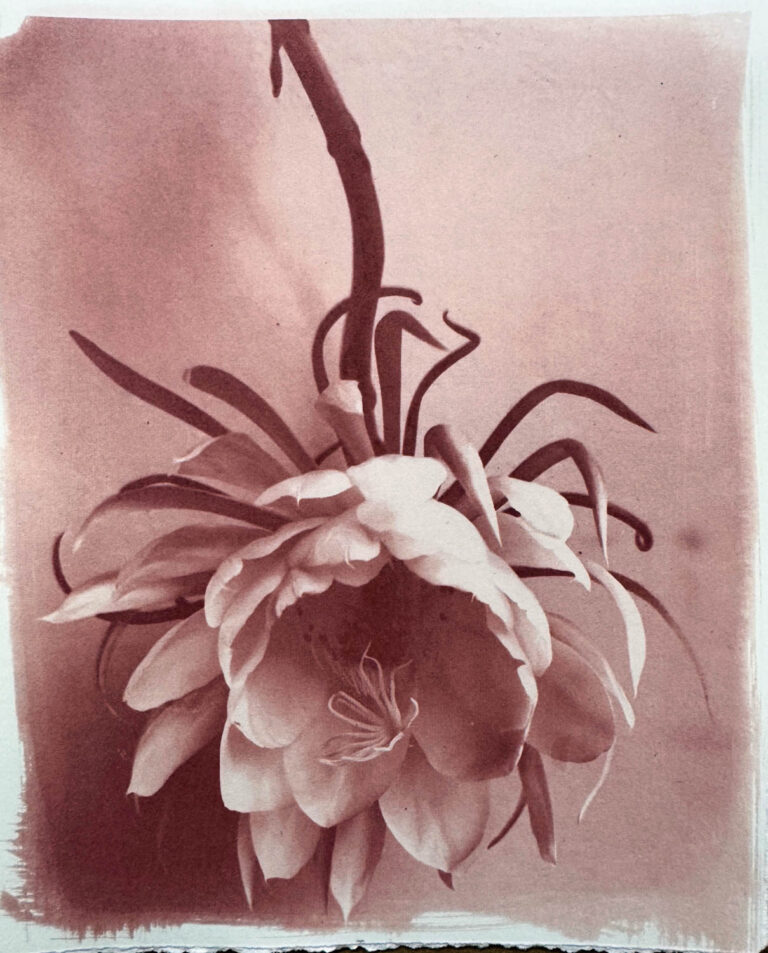
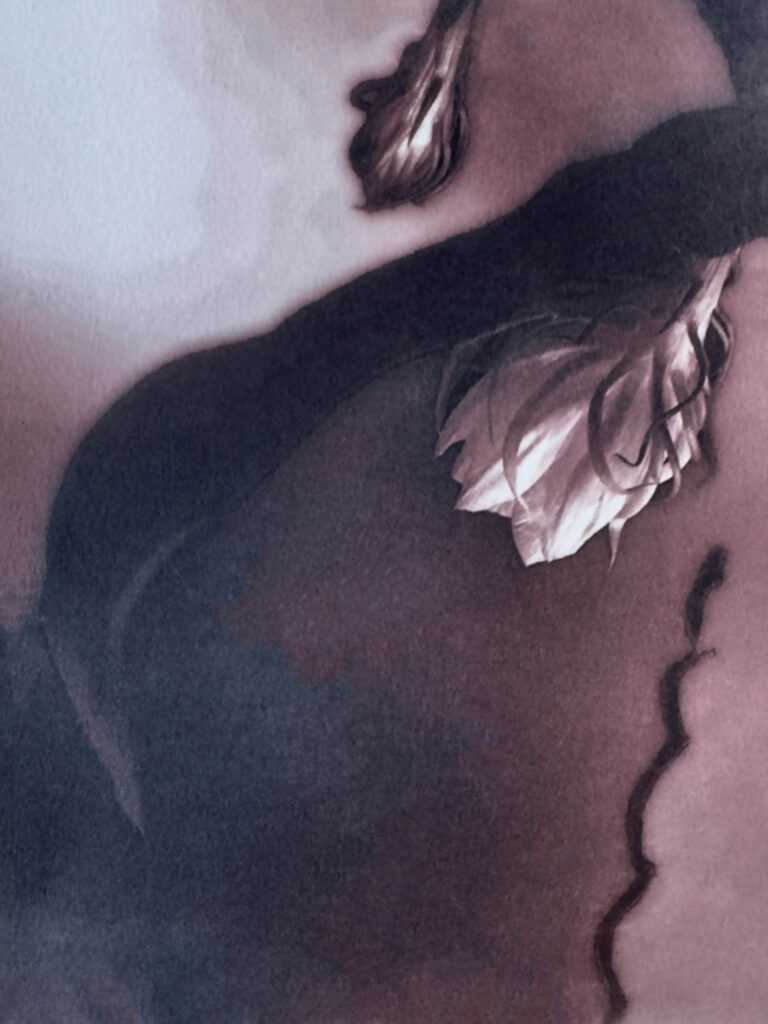
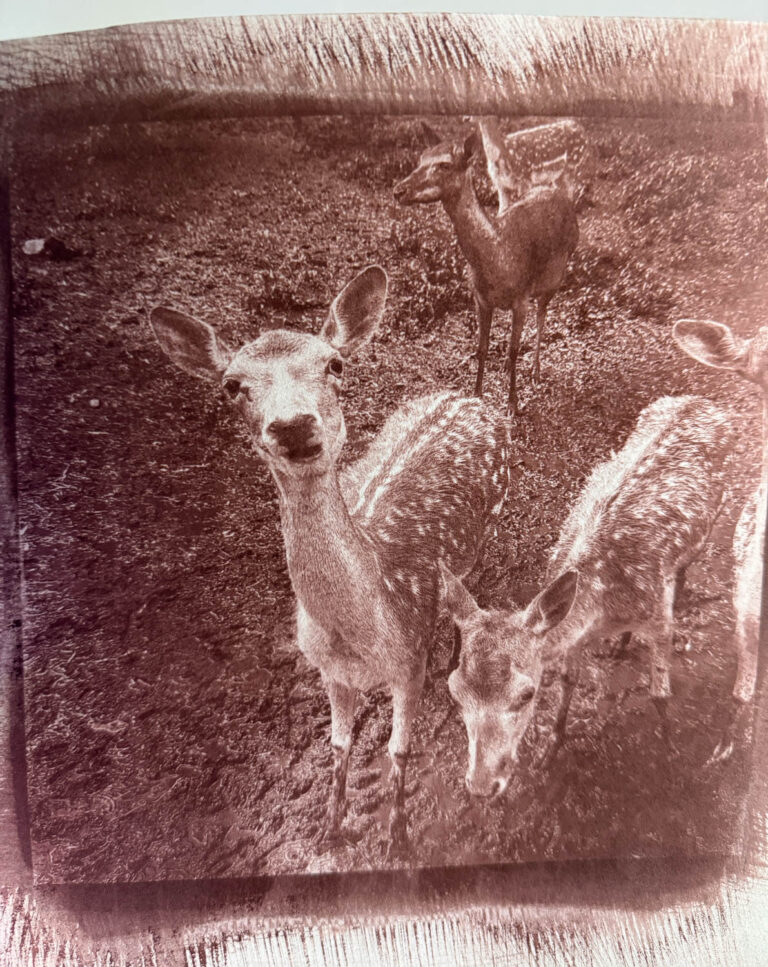
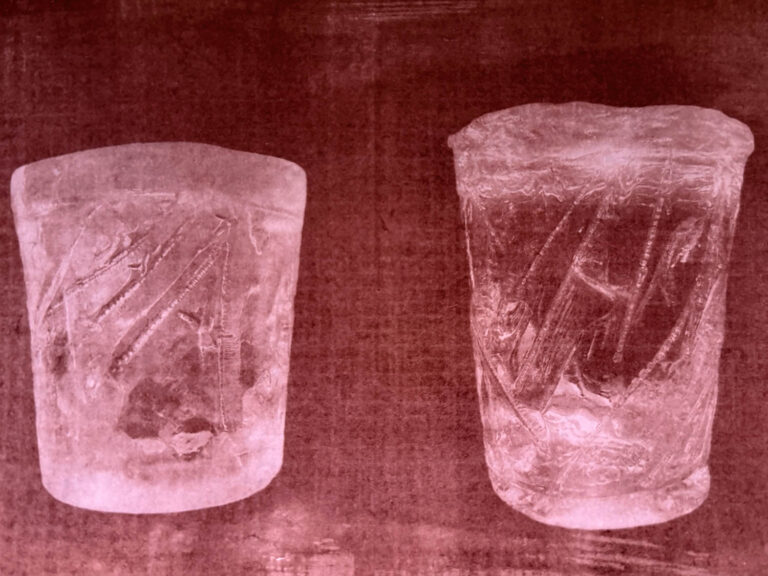
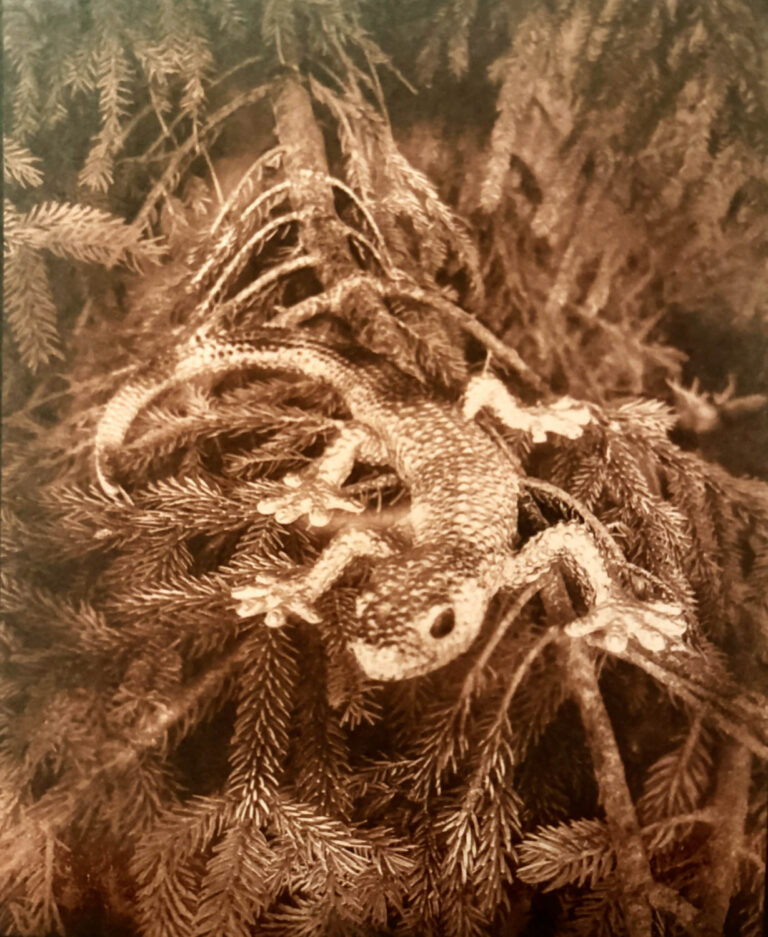
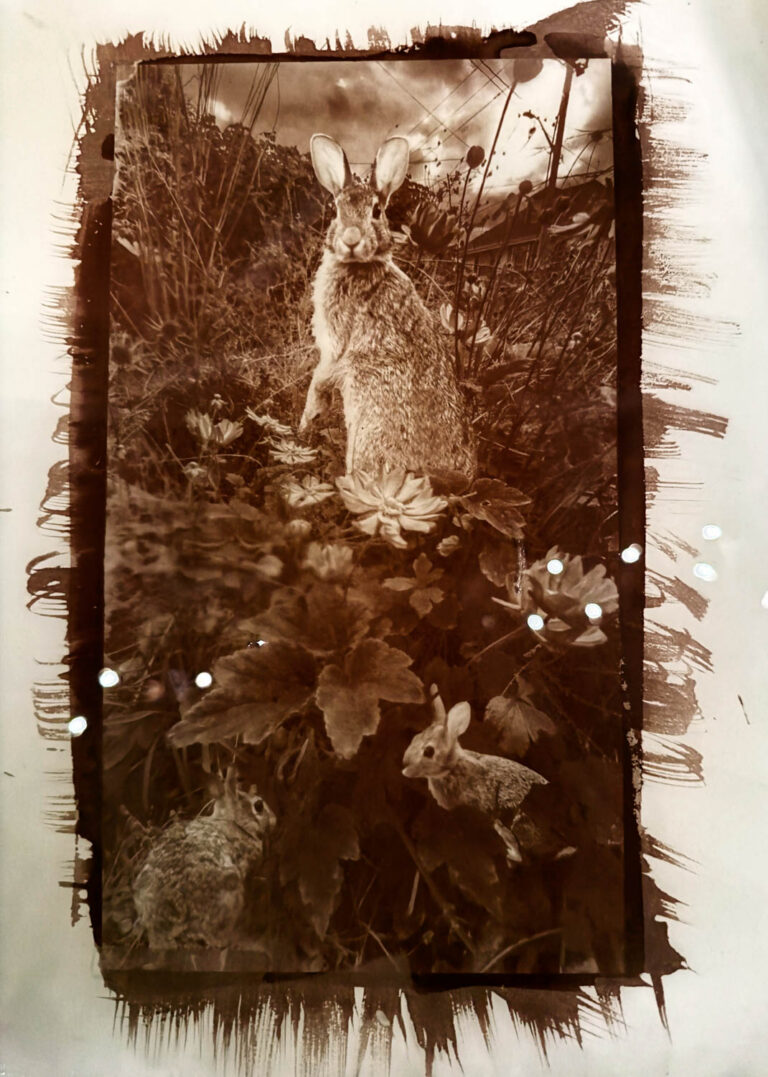
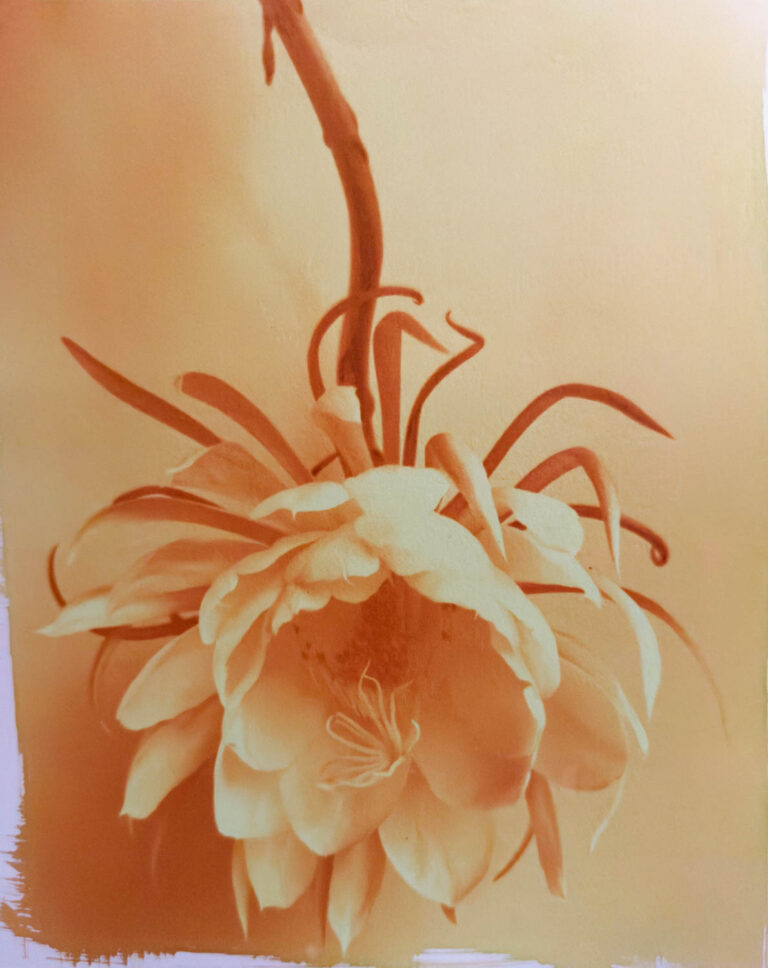
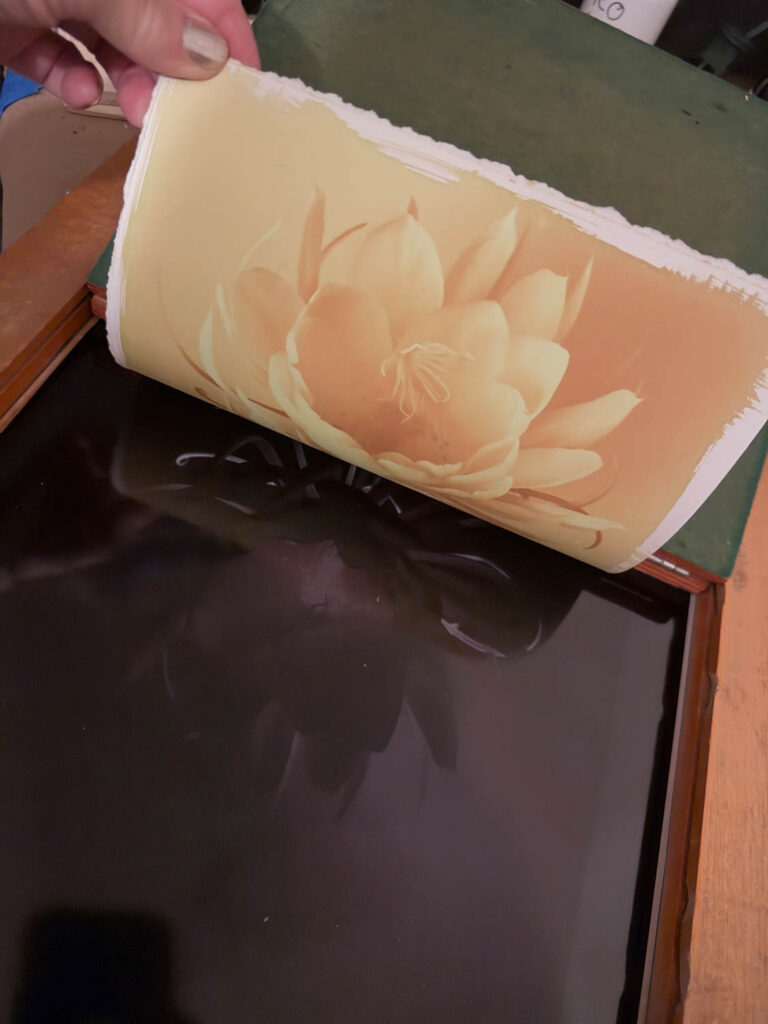
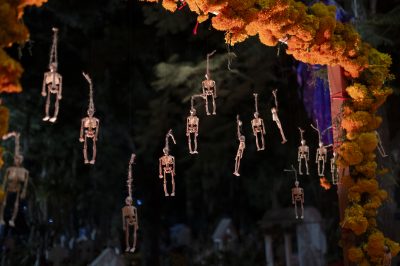
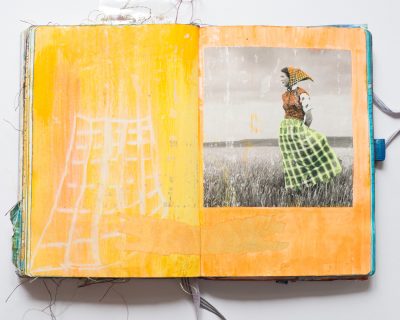
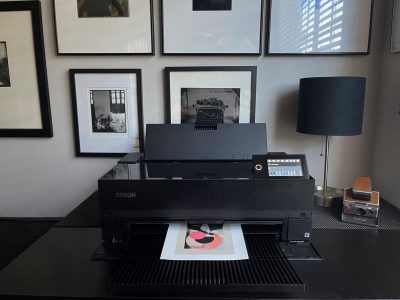
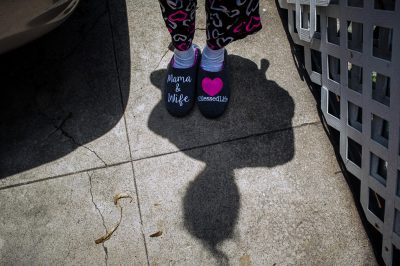
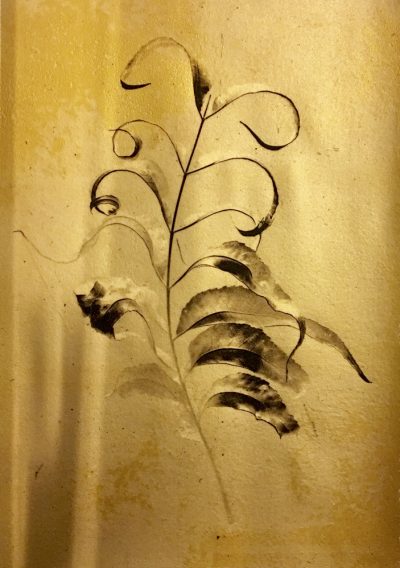
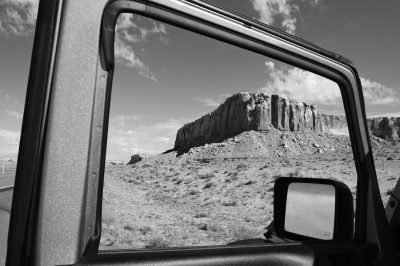
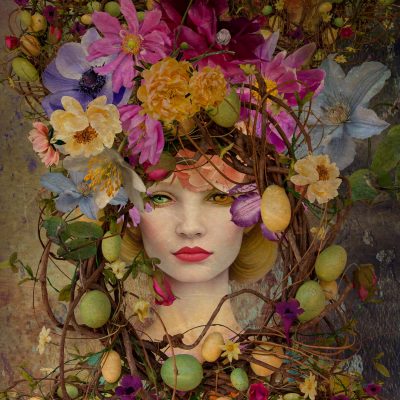
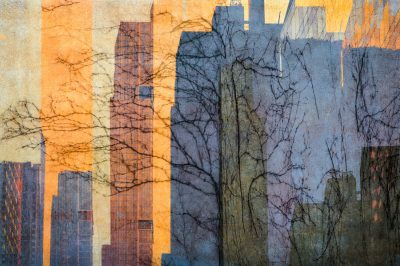
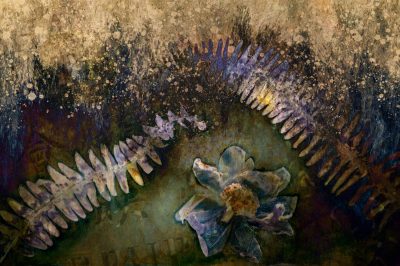
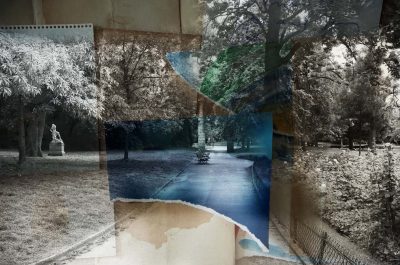
The Cuprotype process is a fascinating nineteenth-century printing method that has recently reemerged, offering photographers a beautiful and accessible way to create richly toned prints using copper salts. Similar in ease of use to cyanotype, Cuprotype relies on ferric ammonium citrate as a light-sensitive catalyst, but produces a broader tonal range and an expanded palette of colors. Through chemical toning, prints can shift from buttery golds and warm coppers to delicate pinks, deep purples, and subtle neutral tones.
In this new online workshop, interdisciplinary artist and educator Anne Eder introduces you to the creative possibilities of this historic process and demonstrates how simple, affordable materials can produce striking results. The chemistry is inexpensive and easy to obtain, and photographers who already work with cyanotype may already have some of the necessary materials on hand.
Over four sessions, Anne guides you through each stage of the process. Together, we learn how to create digital negatives suitable for Cuprotype printing, mix and apply the sensitizer, coat paper, and determine proper exposure times. Anne also demonstrates how to clear and tone prints for both archival stability and expanded color possibilities.
As the workshop progresses, we explore the expressive qualities that make Cuprotype unique and are introduced to ferroblending techniques that further expand our creative options. Throughout the program, Anne presents the use of chemistry in a clear and approachable way, making this process accessible to both newcomers and experienced alternative process photographers.
By the end of the workshop, you leave with a solid understanding of the Cuprotype process, a collection of lovely finished prints, and the confidence to continue experimenting with its remarkable range of colors and tones. This online program is ideal for photographers interested in alternative processes, historical printing techniques, or discovering new ways to bring their images into the physical world.

You do not need a full darkroom for this workshop, but you will need access to a dimly lit space. A complete materials list will be provided once the course is confirmed.
Participants are expected to properly dispose of all copper-containing chemicals, as copper is toxic to aquatic life and should never be poured down the drain.
Class will meet 9:30 am – 12:00 pm (Mountain Time) on Wednesdays starting September 23 and ending October 14 (four online group sessions). Enrollment is limited to 12 participants.
Zoom Video Conferencing software (available for no charge from Zoom.com) will be used to facilitate the class sessions. Further details will be emailed to registrants.
These live online sessions take place in the standard Zoom meeting format. Students can use their microphone and camera, see and hear the instructor and other students, and participate in live discussion and interaction throughout the sessions.
Santa Fe Workshops always aims to produce a high-quality experience for our online attendees. That said, variables including regional and local internet provider speeds, traffic on Zoom's servers, and your own computing hardware can contribute to a less-than-ideal streaming event. While we do our best to minimize the impact of these variables, they are outside the control of Santa Fe Workshops.
View Withdrawal and Transfer Policies for online programs.
Recording class sessions using personal devices or third-party tools is not permitted. Session recordings are provided by Santa Fe Workshops and are available to enrolled students for two months after the class. This policy helps protect the intellectual property and privacy of both instructors and students.
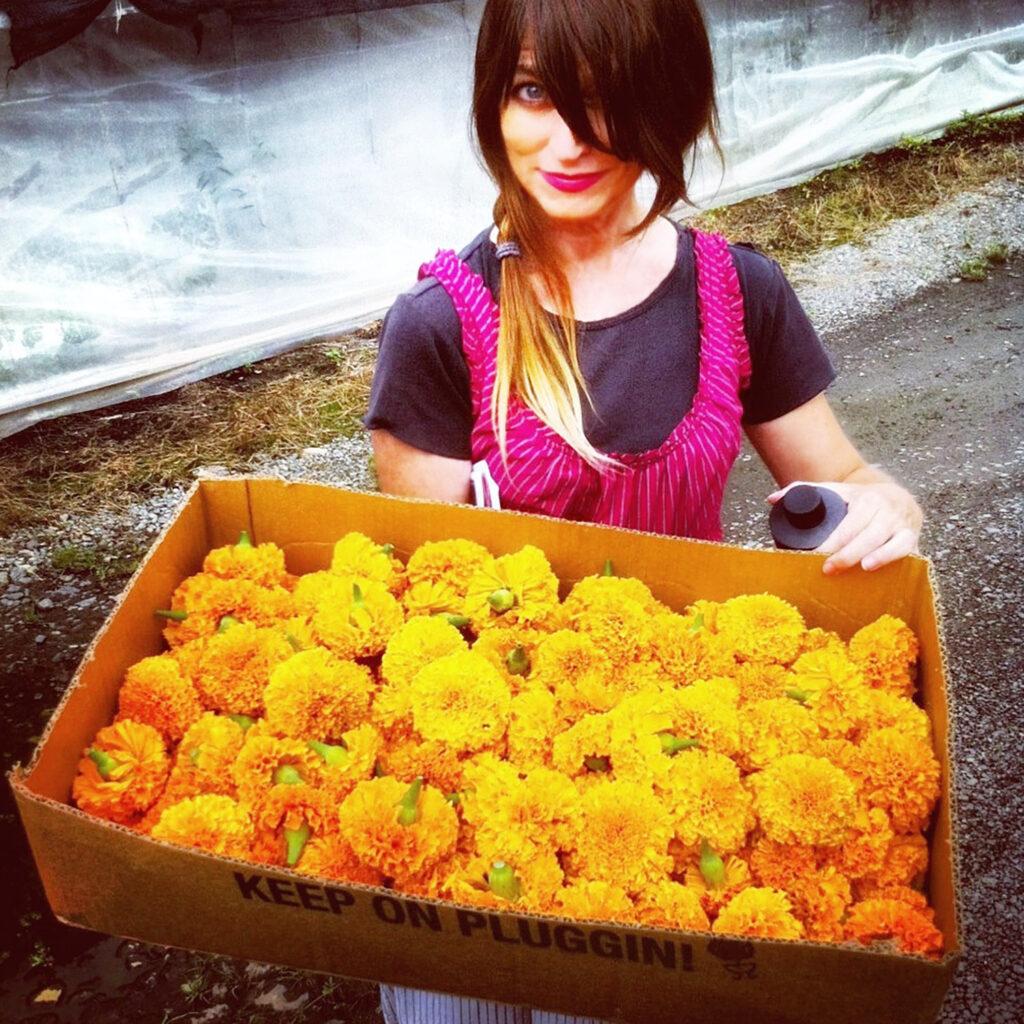
Anne Eder is an interdisciplinary artist and educator. She has been internationally exhibited, awarded, and published, including multiple international awards in alternative process photography. Anne is currently a lecturer at the Lewis Center for the Arts, Princeton University, faculty at Harvard University, Penumbra Foundation NYC, and the Griffin Museum of Photography. She teaches workshops at venues across the country and via online learning all over the world. Much of her work is experimental and research-based, combining historic processes, science, and contemporary conceptual thinking.
Throughout her career, Anne has been an advocate for increased access to the arts, and the creation of public art is a dedicated part of her practice.
Website: anneeder.com
Instagram: @darcflower